

Our process, built to keep things clear from day one
A good website project needs more than good design. It needs the right thinking, structure, collaboration, and execution behind it. Our process is designed to give every project clarity, momentum, and a stronger end result.

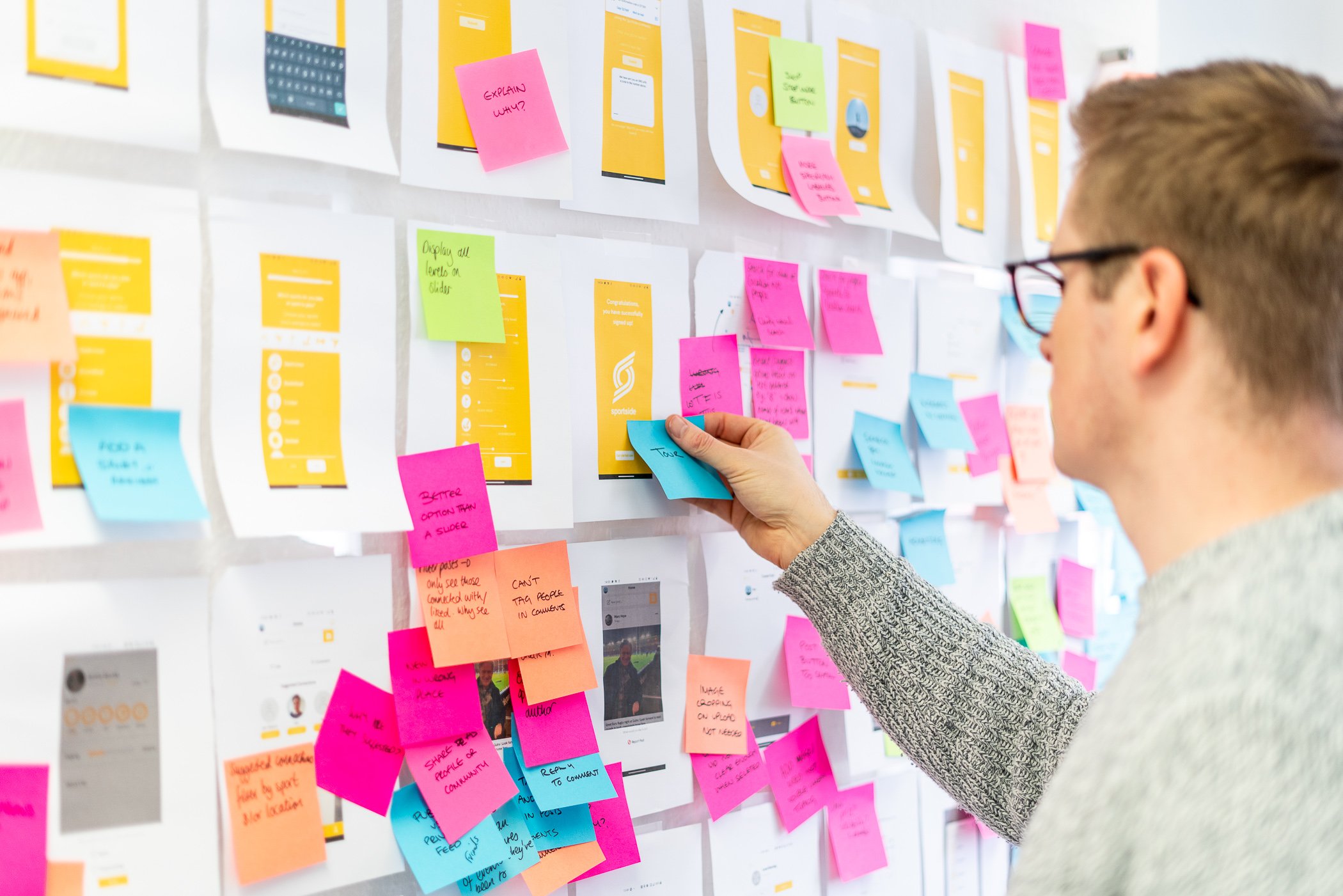
In a nutshell
Every project is shaped around the same goal: to create a website that looks great, works hard, and supports the next stage of the business. We keep the process structured, collaborative, and focused on making smart decisions at the right time.
01. Define
We understand the business, audience, goals, and what the website needs to do better, then shape the right direction from the outset.
02. Design
We create a visual and user experience that builds trust, supports usability, and reflects your brand properly.
03. Develop
We bring the website to life with performance, flexibility, and long-term use in mind.
04. Refine
We test, launch, and improve the final product so it performs properly in the real world.
A closer look at how we work
The exact shape of a project will vary depending on scope, but most website projects follow a clear path from early thinking through to launch. Here is how that typically looks.
Typical timing ~ 1 week
Deep dive
This is where we get in to the depths of your brief. Before any design work begins, we take time to understand the business, the audience, the current challenges, and what success needs to look like. This gives the project a stronger foundation and helps avoid weak decisions later.
What this stage includes
- checkUnderstanding business and project goals
- checkAudience and user needs
- checkCompetitor and sector review
- checkEarly content and sitemap thinking
- checkProject scope alignment

Typical timing ~ 1 session
Kick-off
Once the direction is clear, we bring the right people together and align the project properly. This stage helps set expectations, confirm priorities, and make sure everyone is working towards the same outcome from the start.
What this stage includes
- checkStakeholder kick-off session
- checkProject priorities
- checkFunctional requirements
- checkTimeline and milestones
- checkRoles and responsibilities

Typical timing ~ 1–2 weeks
Structure
A website works better when the structure is doing its job. This stage focuses on information architecture, user flow, and page planning so people can move through the website clearly and confidently. It is where strategy starts becoming something tangible.
What this stage includes
- checkSitemap development
- checkUser journeys
- checkInformation architecture
- checkWireframes

Typical timing ~ 2–3 weeks
Design
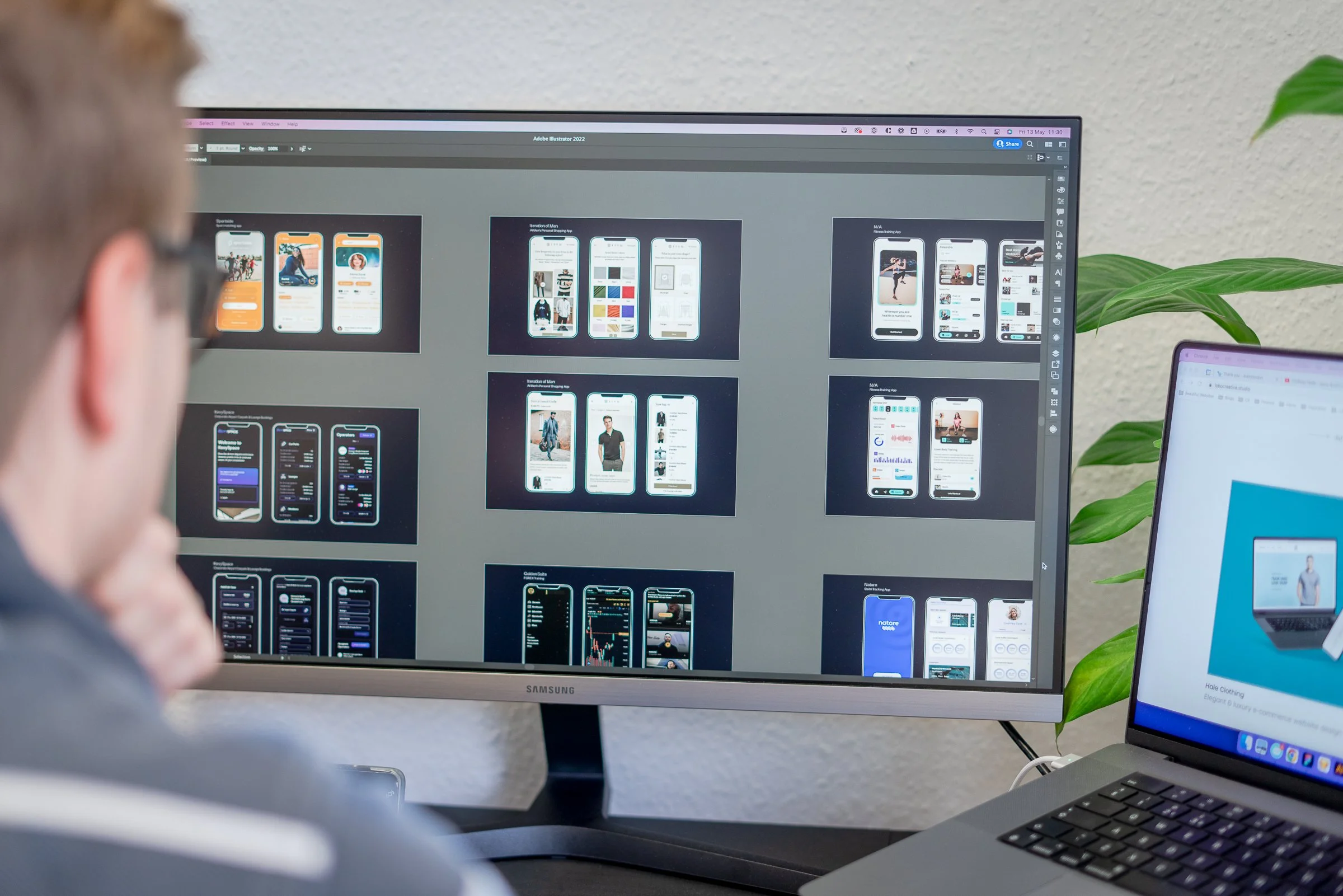
With the structure in place, we move into design. This is where brand, layout, interface, and detail come together to create a website that feels considered, credible, and engaging. The goal is not just to make something look good, but to make it feel right for the business and easy for users to navigate.
What this stage includes
- checkUI design
- checkPage template design
- checkResponsive layouts
- checkDesign systems
- checkInteractive prototypes
Typical timing ~ 4-8 weeks
Development
Once designs are approved, we build the website with performance, responsiveness, and flexibility in mind. Development is about making sure the experience works as well as it looks, and that the finished website is easy to manage and ready for real-world use.
What this stage includes
- checkFront-end development
- checkCMS setup
- checkCustom functionality
- checkIntegrations
- checkPerformance best practice

Typical timing ~ 1–2 weeks
QA and launch
Before launch, we test everything thoroughly to make sure the website is ready. That includes checking performance, responsiveness, usability, and technical details. Once approved, we manage the launch carefully so the move to live is smooth and well handled.
What this stage includes
- checkCross-browser and device testing
- checkContent checks
- checkTechnical SEO setup
- checkRedirect planning
- checkLaunch support
Typical timing ~ Ongoing
Refine
Once the website is live, the work does not have to stop there. This stage is about learning from real usage, making improvements where needed, and helping the website continue to support the business as it grows. For some clients this means light-touch support, for others it becomes an ongoing performance and improvement relationship.
What this stage includes
- checkPost-launch support
- checkBug fixes and adjustments
- checkOngoing improvements
- checkPerformance monitoring
- checkContinued optimisation
Available 9am to 5pm GMT
Want to talk to a human? Let's have a quick chat
Or call us on 020 4634 2075
See the process in action

FAQs
-
We keep the process collaborative, but we do not expect clients to carry the project. Your involvement is most important at key stages such as discovery, kick-off, feedback points, and approval moments. Outside of that, our role is to keep the project moving, guide decisions clearly, and reduce unnecessary back and forth.
The aim is to give you visibility and confidence without creating extra burden on your side.
-
That is exactly why the early stages matter.
Not every project begins with perfect clarity, and part of our process is helping shape that. Discovery and kick-off are designed to define priorities, uncover gaps, and turn broad ambitions into a workable direction.
Where something needs further definition, we will flag it early rather than allowing uncertainty to cause problems later.
-
Timings depend on the size, complexity, and pace of feedback, but most projects move through a structured sequence over a number of weeks. Smaller, more focused websites can move faster, while larger redesigns, ecommerce projects, or more involved builds will naturally take longer.
What matters most is that the project has enough space for the right thinking, design, and development to happen properly.
-
Yes, where the timeline is realistic and the project scope supports it.
If there is a fixed launch date, we can usually shape the process around it by prioritising what matters most, phasing delivery if needed, and being clear about what can reasonably be achieved within that window. We would always rather be honest about timing than overpromise and create pressure later.
-
Launch is not the end of the process. Once the website is live, we can continue supporting it through maintenance, updates, refinements, and ongoing improvements. Some clients need light-touch support, while others want a more active relationship after launch.
The right level of support depends on how central the website is to the business and how much ongoing change is expected.
-
The same principles apply across most of our work.
Whether we are designing a website, ecommerce experience, or app interface, the process still starts with understanding the challenge, shaping the right structure, creating the experience carefully, and refining it before and after launch. The details may vary, but the thinking stays consistent.